

light up circle mirror
Exploring the Benefits and Applications of 2000mm Linear Guide Rails When it comes to precision engineering and automation, the choice of components can make a significant difference. Among these components, linear guide rails play a crucial role in ensuring smooth and accurate movement in various applications. One such highly utilized linear guide rail is the 2000mm variant, known for its robustness and versatility. In this article, we will explore the benefits, applications, and selection criteria for 2000mm linear guide rails. Understanding Linear Guide Rails Linear guide rails, often referred to as linear guides or linear motion guides, are mechanical systems designed to guide motion in a straight line. They consist of a rail and a moving block (also known as a carriage), which enables smooth, linear movement while minimizing friction. The design of these components ensures stability and precision, making them indispensable in numerous industrial applications. Benefits of 2000mm Linear Guide Rails 1. Length and Coverage The 2000mm length provides a substantial reach for various applications, allowing for long-linear motion without the need for multiple rails. This is particularly advantageous in large machinery and automation systems where extended linear paths are essential. 2. Enhanced Load Capacity These linear guide rails are engineered to support significant loads while maintaining smooth operation. Their robust construction means they can handle heavier components or assemblies, making them suitable for industrial machines, CNC equipment, and robotic arms. 3. Precise Movement A critical requirement in engineering is precision, and 2000mm linear guide rails are designed to provide high accuracy in movement. This precision is vital in applications like machining, where even minor deviations can lead to compromised product quality. 4. Reduced Friction Many modern linear guides incorporate features that minimize friction, such as ball or roller bearings. This not only ensures smoother operation but also reduces wear and tear, promoting longer service life and less maintenance. 5. Versatility The 2000mm linear guide rail can be used in a wide array of applications, from 3D printers and laser cutters to automated assembly lines. Their versatility means they can adapt to different machinery setups, making them an excellent investment. Applications of 2000mm Linear Guide Rails Linear guide rails can be found in various industries and applications, including linear guide rail 2000mm - Manufacturing In automated assembly systems and CNC machines, linear guide rails facilitate precise movements necessary for cutting, drilling, and assembly tasks. - Robotics Robots, especially those requiring linear motion, rely on linear guides to enhance their movement capabilities. The 2000mm guide rail can provide the necessary reach for robotic arms in pick-and-place operations. - Automated Warehousing In warehouse systems, automated storage and retrieval systems (AS/RS) utilize linear guide rails to move products efficiently within storage aisles . - Medical Equipment In the medical field, precision is critical. Linear guide rails are utilized in robotic surgical systems and diagnostic machines, where accurate positioning and smooth operation are paramount. Selecting the Right 2000mm Linear Guide Rail When choosing a linear guide rail, several factors should be considered 1. Load Capacity Evaluate the maximum load the guide rail needs to support, ensuring it aligns with the application requirements. 2. Precision Needs Determine the required accuracy and repeatability for the application to select a guide rail that meets these specifications. 3. Environmental Conditions Consider the environment in which the linear guide will operate. Factors such as exposure to dust, moisture, or temperature variations may necessitate specific materials or sealing options. 4. Installation Space Ensure that the dimensions and design of the linear guide rail fit the available installation space, accommodating any adjacent machinery or equipment. Conclusion The 2000mm linear guide rail is a pivotal component in modern engineering and automation. Its combination of length, load capacity, and precision makes it an ideal choice for various applications ranging from manufacturing to robotics. By understanding the benefits and proper selection, businesses can significantly improve their operational efficiency and product quality. As technology continues to evolve, the importance of such components will only grow, paving the way for even greater innovations in linear motion systems.
about
light up circle mirror
Understanding Butterfly Valve Types and Applications Butterfly valves are a popular choice in industrial applications due to their simplicity, efficiency, and versatility. As streamlined devices used for regulating flow in pipelines, these valves consist of a rotating disc or a plate that pivots around a central axis. When the valve is closed, the disc completely obstructs the flow, and when it's open, the disc allows fluid to pass through with minimal resistance. This article explores the different types of butterfly valves and their various applications. Types of Butterfly Valves 1. Wafer Butterfly Valve The wafer butterfly valve is designed to be installed between two flanges, making it a compact and lightweight option suitable for situations where space is limited. This type of valve is commonly used in water treatment plants and heating systems, where its ease of installation and efficient operation provide significant advantages. 2. Lug Butterfly Valve Similar in design to the wafer butterfly valve, the lug butterfly valve features threaded lugs, allowing it to be bolted directly to the pipe flanges. This unique feature enables the valve to be removed from the pipeline without having to disrupt the entire system. Lug butterfly valves are often used in systems where maintenance is necessary, such as in HVAC applications or chemical processing. 3. Actuated Butterfly Valve Actuated butterfly valves are equipped with actuators, which can be pneumatic, electric, or hydraulic. These valves offer automated control of fluid flow, making them ideal for complex systems requiring precise regulation. They are commonly found in large-scale industrial processes, such as oil and gas operations or water distribution systems. 4. Double-Offset Butterfly Valve The double-offset butterfly valve features two offsets from the center line of the valve. This design reduces the friction between the valve seat and the disc, leading to a tighter seal and less wear over time. Double-offset butterfly valves are suitable for high-pressure applications, such as steam and gas pipelines. 5. Triple-Offset Butterfly Valve The triple-offset butterfly valve takes the double-offset design a step further by adding an additional offset that provides a unique camming action. This design not only minimizes wear but also allows for a complete seal, making this valve suitable for high-pressure and high-temperature applications like chemical processing and power generation. Applications of Butterfly Valves butterfly valve types and applications Butterfly valves are employed across a wide range of industries due to their effectiveness and reliability. Some of the key applications include - Water Treatment Butterfly valves are extensively used in water treatment facilities for flow control and isolation. Their ability to handle large volumes of water with minimal pressure drop makes them ideal for this purpose. - HVAC Systems In heating, ventilation, and air conditioning (HVAC) systems, butterfly valves help regulate airflow and temperature. Their compact design allows for easy integration into existing systems, ensuring efficient operation. - Chemical Processing Chemical plants often utilize butterfly valves due to their ability to handle corrosive substances. The choice of materials, such as stainless steel or plastic, allows for compatibility with various chemicals. - Food and Beverage Industry The hygienic design of butterfly valves makes them suitable for the food and beverage sector, where maintaining cleanliness is essential. These valves can be easily cleaned and sanitized, ensuring compliance with health regulations. - Oil and Gas In the oil and gas industry, butterfly valves play a critical role in controlling the flow of oil, gas, and other fluids. Their ability to withstand high pressures and temperatures makes them a reliable choice for upstream, midstream, and downstream applications. Conclusion Butterfly valves are a vital component in numerous industrial applications, offering an array of types to suit various needs. From wafer and lug designs to actuated and triple-offset models, each type serves a specific purpose while contributing to the overall efficiency of fluid management systems. Understanding the different types of butterfly valves and their applications allows industries to make informed decisions regarding their flow control needs, ultimately leading to enhanced operational efficiency and reduced maintenance costs.
-

High quality industrial productsagement

High quality industrial products
View Details -

Meet the diverse needs of customers

Meet the diverse needs of customers
View Details -

Strict quality control

Strict quality control
View Details -

Top raw materials

Top raw materials
View Details -

Trusted supplier

Trusted supplier
View Details
Our application


news and information
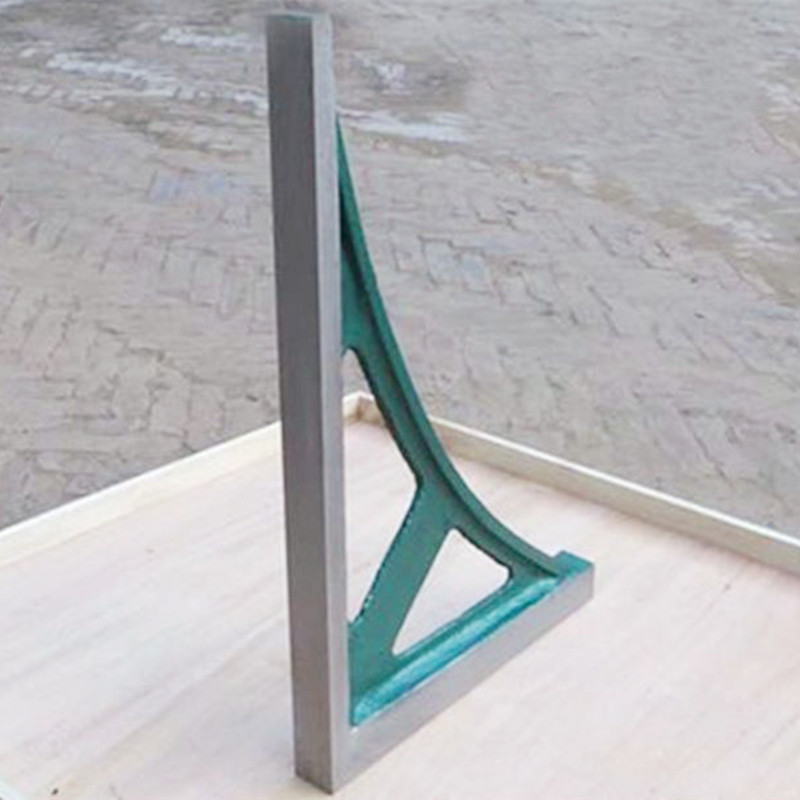
Versatile Snap Gauge with Adjustable Range for Precise Measurement in Various Applications
Understanding Adjustable Snap Gauge Ranges In the world of precision measurement, tools like the adj

valve manufacturer
Navigating the landscape of valve manufacturers can be a challenging endeavor, particularly when sea
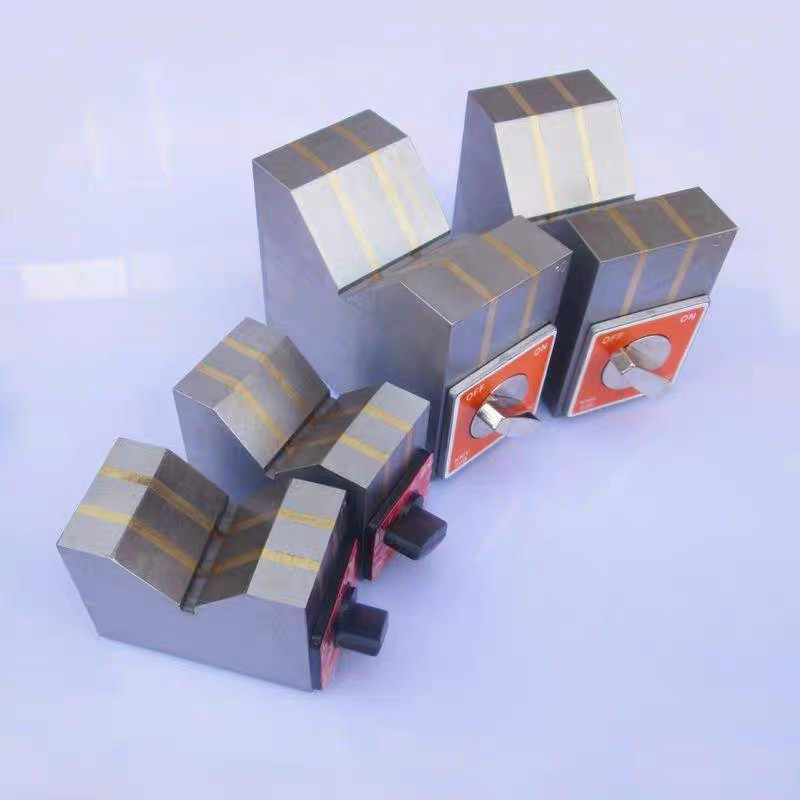
welding table manufacturer
The Importance of Choosing the Right Welding Table Manufacturer Welding is a critical process in var
 English